

Mastering Inventory Storage: Industrial Skills for Cost Reduction, Storage Optimization, and Continuous Improvement
Efficient inventory management is at the core of a well-operated warehouse. Whether you're a small business or a giant in the industry, understanding the art of inventory storage is paramount. In this blog post, we'll explore how to design the perfect stage for storing inventory using industrial skills. We'll also discover how cost reduction, storage optimization, and continuous improvement are key components of this process. To visualize these concepts, we've included an image of a well-organized warehouse.
There are two ways to extend a business. Take inventory of what you're good at and extend out from your skills. Or determine what your customers need and work backward, even if it requires learning new skills. Kindle is an example of working backward.
Cost reduction is a universal goal for any business, and efficient inventory storage is a significant contributor to achieving this objective.
One of the first steps in creating an efficient inventory storage stage is designing the layout of the warehouse. The strategic placement of storage racks, shelves, and equipment minimizes wasted space and optimizes square footage utilization. Every square foot counts, and smart design can significantly reduce operational costs.
Adopting a "Just-in-Time" inventory system is a technique that minimizes the need for excess storage space. Inventory is ordered and received only when it's needed. This reduces the financial burden of maintaining unused inventory space, ultimately contributing to cost reduction.
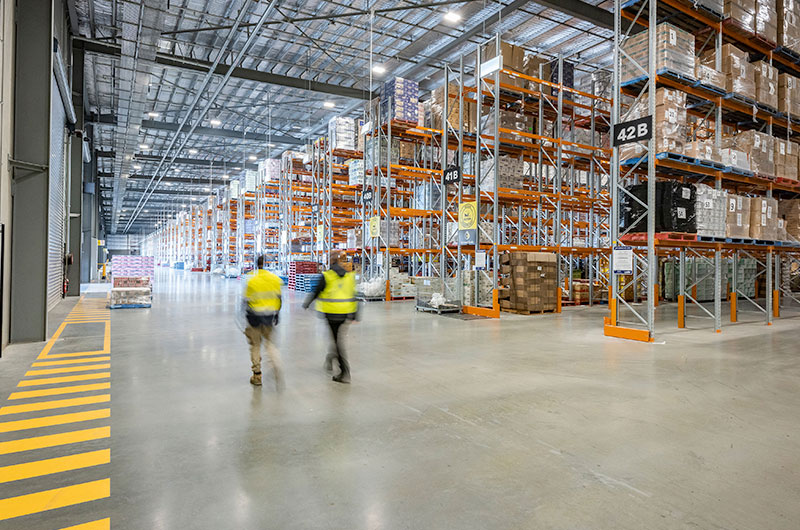
A well-organized warehouse not only reduces costs but also ensures quick and accurate order fulfillment.
Utilizing vertical space efficiently is a hallmark of storage optimization. By stacking products vertically, you maximize space and increase the overall storage capacity.
Products should be categorized and stored in an organized manner. This reduces the time employees spend searching for items, enhances efficiency, and minimizes errors in order fulfillment.
Conclusion
Creating the perfect stage for storing inventory involves industrial skills, cost reduction strategies, storage optimization, and a commitment to continuous improvement. These elements, when combined, create an efficient, cost-effective, and adaptable warehouse operation that is responsive to changing market demands. To get a visual understanding of these principles, examine the image of a well-organized warehouse we've included in this post. These techniques can be applied to various business types and sizes, making efficient inventory storage a key driver of success in any industry.